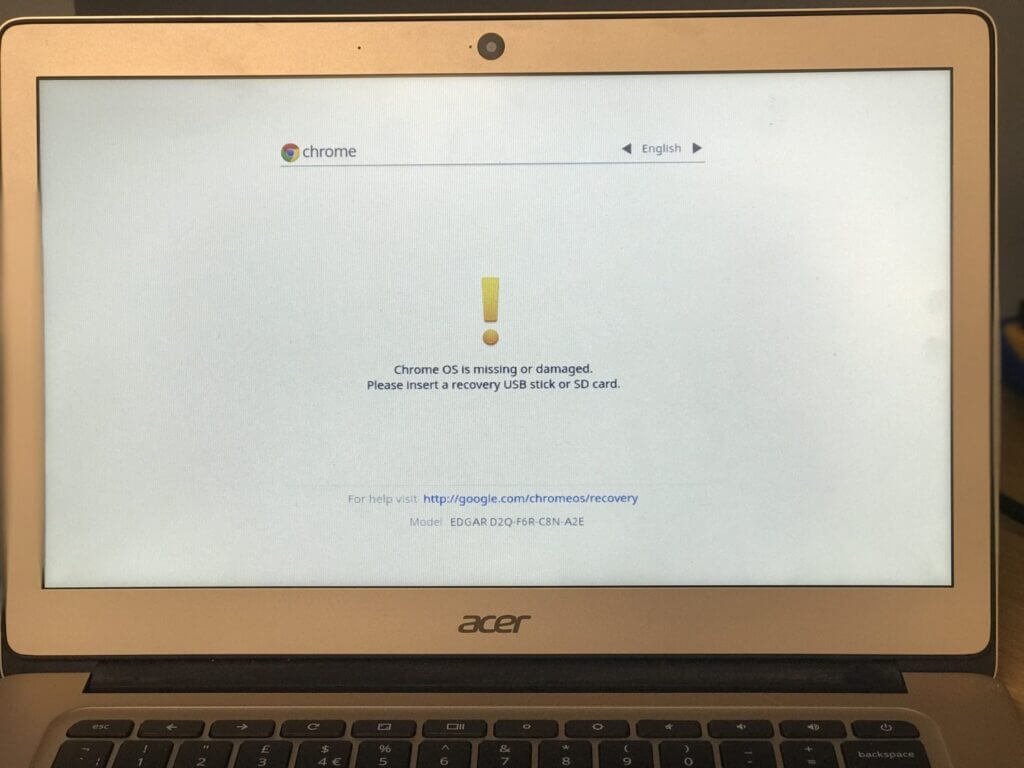
Your Chromebook is more than just a device; it's your portal to productivity, entertainment, and connection. So when it starts acting up, that familiar pang of dread hits: "Can I fix this myself, or is it time to consider When to Seek Professional Chromebook Repair?" It's a question many ask, and the answer isn't always straightforward. While the DIY spirit is commendable, some issues demand the specialized expertise of a professional to avoid greater damage, protect your data, and save you money in the long run.
At a Glance: When to Call the Pros
- Physical Damage (Cracked Screen, Liquid Spills, Missing Keys): These often require specialized tools and parts.
- Charging Issues: Can indicate complex internal problems like port or motherboard damage.
- Motherboard Failure: A critical and highly technical repair best left to experts.
- Persistent Performance Problems: Especially after basic troubleshooting, may signal hardware failure.
- Warranty Concerns: DIY repairs can void your warranty, professional services might not.
- Time and Effort: Weigh the cost of your time against the convenience and reliability of professional service.
- Data Integrity: Professionals prioritize data safety during repair.
- Specialized Tools & Parts: Many Chromebook components are custom or require specific tools for safe handling.
Chromebooks, with their cloud-centric nature and robust design, are generally reliable. However, like any electronic device, they're susceptible to mishaps and wear. Deciding between a DIY fix and professional intervention boils down to understanding the nature of the problem, your own technical comfort level, and the potential risks involved. Let's break down the scenarios where a professional repair shop becomes your best ally.
The Clear Red Flags: When DIY is a Gamble, Not a Solution
Certain issues immediately signal that you're venturing into "professional repair only" territory. These aren't just cosmetic; they often involve intricate internal components or carry a high risk of worsening the problem if mishandled.
The Shattered Reality: Broken Screens and Displays
A cracked or entirely non-functional screen is perhaps the most common reason people consider professional repair. While YouTube tutorials might make it look simple, replacing a Chromebook display involves several delicate steps:
- Fragile Components: Screens are often glued or taped in place, requiring careful heating and prying to avoid damaging the display cable or surrounding frame.
- Exact Part Matching: Chromebook models vary wildly, and finding the correct, compatible replacement screen (and digitizer if it's a touchscreen) is crucial. A mismatch can lead to flickering, unresponsive touch, or no display at all.
- Data Cable Connections: The display cable connects to the motherboard via a tiny, often fragile connector that can be easily damaged, leading to further display issues or even motherboard failure.
Attempting this yourself without the right tools (like thin prying tools, heat guns, and ESD-safe practices) and a steady hand can turn a repairable screen issue into a complex, more expensive problem. Even a seemingly minor glitch might warrant a closer look; learning how to Fix your glitching Chromebook screen through software checks can save a trip, but persistent issues often point to hardware.
The Wet Disaster: Liquid Spills
Few things strike fear into a device owner's heart like a liquid spill. Coffee, water, soda—they're all corrosive to electronics. If your Chromebook takes an accidental bath, time is of the essence, but so is caution.
- Immediate Action: Power down immediately and disconnect the charger. Do NOT try to turn it back on.
- Internal Damage: Liquid can seep into every crevice, shorting out components like the keyboard, trackpad, and most critically, the motherboard.
- Corrosion: Even if the device dries, mineral deposits and corrosion can form over time, leading to intermittent failures or complete component death weeks or months later.
Professional repair centers like The Repair Depot specifically list liquid spills as a common repair they handle. Their technicians are trained to disassemble the device, clean components with specialized solutions, dry them thoroughly, and identify (and replace) any parts that have been permanently damaged. This often involves intricate work on the motherboard, which is far beyond a DIY project for most.
Powering Down: Charging Issues and Port Damage
Is your Chromebook refusing to charge, or does the charging cable feel loose? This isn't just an inconvenience; it can signal a deeper problem.
- Faulty Charging Port: The charging port is one of the most used (and abused) components. Wiggling the charger, accidental drops, or simply wear and tear can damage the port itself, disconnecting it from the motherboard.
- Battery Issues: While some battery issues can be resolved by learning to extend your Chromebook's battery life through software tweaks, a battery that doesn't hold a charge or rapidly depletes might need replacement. However, replacing a swollen or damaged battery carries risks, including fire hazards if mishandled.
- Motherboard Power Circuitry: The charging circuit is directly integrated into the motherboard. If the port itself is fine, the issue could be with internal power management components, requiring micro-soldering and diagnostic tools only a professional shop possesses.
Diagnosing and fixing these issues requires expertise in power delivery systems and often specialized soldering equipment. A professional will correctly diagnose whether it's the port, the battery, or something more serious on the motherboard.
The Brain Drain: Motherboard Failure
The motherboard is the brain of your Chromebook, connecting every component. When it fails, your device is effectively dead. Symptoms can include:
- No power or failure to boot.
- Random shutdowns or reboots.
- Peripheral components (like USB ports, Wi-Fi, or display) suddenly stop working.
- Unusual smells or sounds.
The Repair Depot explicitly lists motherboard failure as a repair they undertake. This is the most complex repair, often requiring diagnostic equipment to pinpoint the exact faulty component on the board (e.g., a shorted capacitor, a failed power IC) and then micro-soldering skills to replace it. This is not a DIY task; attempting it will almost certainly render your Chromebook irreparable.
Missing Pieces: Keyboard and Trackpad Malfunctions
Missing keys, sticky keys, or an unresponsive trackpad can significantly hinder your Chromebook's usability.
- Missing Keys: While individual keycaps can sometimes be replaced, if the underlying mechanism is damaged, the entire keyboard assembly might need replacing. This usually involves removing the top case, detaching ribbon cables, and sometimes even desoldering.
- Trackpad Issues: Trackpads are delicate and connect via a ribbon cable. Swelling batteries can also put pressure on the trackpad, causing it to malfunction.
- Spills and Debris: Liquid or debris beneath the keys can cause shorting or sticking.
Replacing a keyboard or trackpad assembly can be surprisingly involved, often requiring significant disassembly of the device.
The Cost-Benefit Analysis: DIY vs. Pro Repair
Beyond the severity of the damage, several practical factors should influence your decision to seek professional help.
Your Technical Comfort Level and Toolset
Are you comfortable disassembling intricate electronics? Do you own an ESD (Electrostatic Discharge) mat, precision screwdrivers, spudgers, and maybe even a heat gun or multimeter? If not, buying these tools for a one-off repair can quickly erode any potential savings. More importantly, attempting a repair without the right tools or experience significantly increases the risk of causing further, irreversible damage.
Time is Money: Weighing Your Investment
Think about the time you'll spend researching the repair, ordering parts, waiting for them to arrive, and then actually performing the repair. For many, a professional service offers a quicker, more reliable turnaround, allowing you to get back to your tasks without the headache of troubleshooting. Professionals often have parts on hand and the experience to diagnose and fix issues efficiently.
The Warranty Factor
Perhaps one of the most critical considerations: performing a DIY repair almost invariably voids your Chromebook's manufacturer warranty. If your device is still under warranty, even a minor issue could be covered by the manufacturer. Professional repair services, especially authorized ones, may be able to perform repairs without voiding your warranty, and reputable shops like The Repair Depot often offer their own warranty (e.g., a 90-day warranty on all repairs, including parts and labor) for their work, providing peace of mind. Before you attempt any repair, it's wise to check your Chromebook's warranty status.
The Risk of Further Damage
Every time you open your Chromebook, you risk:
- Stripping screws.
- Breaking fragile plastic clips.
- Damaging ribbon cables.
- Introducing static electricity that can fry components.
- Using incompatible or low-quality replacement parts.
A professional technician minimizes these risks through experience, specialized tools, and a controlled work environment. They also source high-quality, tested parts, as highlighted by The Repair Depot's commitment to using "highest quality and... tested post-repair for quality assurance."
When to Consider DIY (With Caution)
While many issues warrant professional help, there are some scenarios where a DIY approach might be feasible, provided you proceed with extreme caution and have the right resources:
- Software Glitches: Many performance issues, freezing, or error messages can be resolved with a powerwash, factory reset, or troubleshooting software. If you're encountering problems, it's a good idea to troubleshoot common Chromebook software issues before considering hardware.
- External Peripheral Issues: Problems with external mice, keyboards, or USB drives are usually solved by replacing the peripheral, not by opening the Chromebook.
- Simple Component Replacements (with a guide): If you're replacing a component that's designed to be user-replaceable (rare for Chromebooks, but sometimes found with storage drives on older models), and you have a detailed, model-specific guide, the right tools, and confidence, it might be an option. Even then, exercise extreme caution.
- Minor Cosmetic Fixes: A loose screw on the bottom cover (not affecting internals), or a small external aesthetic repair that doesn't involve opening the device.
Always exhaust software troubleshooting steps first, like restarting, updating Chrome OS, checking extensions, or performing a powerwash. These steps often resolve issues that might initially seem hardware-related. For tips on optimize your Chromebook's performance, look into managing tabs, extensions, and storage.
Choosing the Right Professional Repair Service
Once you've decided professional repair is the way to go, selecting a reputable service is key.
Experience and Specialization
Look for repair shops that specifically mention Chromebook repair, not just generic laptop repair. Chromebooks have unique hardware and software architectures (Chrome OS) that differentiate them from Windows or macOS devices. Shops like The Repair Depot pride themselves on technicians who "go through rigorous training, involving shadowing expert technicians, working on test devices, and going through multiple layers of quality control." This level of specialization is critical.
Warranty on Repairs
A trustworthy repair service will offer a warranty on their work, covering both parts and labor. The Repair Depot's 90-day warranty is a good benchmark. This demonstrates confidence in their technicians and the quality of their replacement parts.
Transparent Pricing and Process
A reputable shop should provide a clear diagnostic process and a detailed estimate before any work is done. They should also explain what parts they're using (e.g., "high-quality parts") and how long the repair is expected to take. Ask about their mail-in repair process if you're not local, as many services offer this convenient option.
Data Security and Privacy
Before handing over your device, ensure you understand their data privacy policies. While many repairs don't require accessing your data, it's always best practice to backup important data on your Chromebook before any repair, regardless of who is performing it. A good shop will emphasize data integrity throughout the repair process.
Customer Reviews and Reputation
Check online reviews (Google, Yelp, etc.) and ask for recommendations. A consistent pattern of positive feedback regarding professionalism, repair quality, and customer service is a strong indicator of a reliable repair center.
Beyond Repair: Knowing When to Replace
Sometimes, even a professional repair isn't the most cost-effective solution. This usually happens when:
- The repair cost approaches or exceeds the cost of a new Chromebook. This is particularly true for older, entry-level models where a new device might offer significantly better performance and a fresh warranty for a similar price.
- Multiple, severe issues: If your Chromebook has a cracked screen and charging issues and keyboard problems, the cumulative repair cost can quickly become prohibitive.
- End-of-Life (EOL) for Chrome OS updates: Chromebooks have an Auto Update Expiration (AUE) date, after which they no longer receive official software and security updates. Repairing an EOL Chromebook might not be worth the investment if it will soon become less secure or incompatible with new features.
A good repair technician should be honest with you if they believe a replacement is a more sensible option, helping you make an informed decision.
Final Thoughts: Empowering Your Chromebook's Future
Deciding When to Seek Professional Chromebook Repair isn't about admitting defeat; it's about making a smart, informed choice to protect your investment and ensure your device continues to serve you reliably. While the allure of a quick DIY fix can be strong, the complexities of modern electronics, coupled with the specialized training and tools used by professional repair services, often make them the superior choice for critical hardware issues.
By understanding the risks of DIY, recognizing the red flags for professional intervention, and knowing how to choose a trustworthy repair provider, you empower yourself to navigate Chromebook issues with confidence, getting your essential device back up and running smoothly.